


TRUNCATED
Welcome to where it all started.

December 2019: The dawn
Truncated: East Coast Elephants teasers begin to appear, hinting at the coming gallery.
January 2020: Preparing for an opening
Truncated: East Coast Elephants promotional material goes on full display, advertising the nascent gallery’s April 6th-10th opening.
Proto-Fracas designs appear throughout, marked by the original black dot eyes and thick vector eyebrows.


![[Ad_6][Truncated_Trawl][1].png](https://images.squarespace-cdn.com/content/v1/63e7e344f17803797168d778/92d6da61-825f-4704-9877-46e3adf3f528/%5BAd_6%5D%5BTruncated_Trawl%5D%5B1%5D.png)
![[Ad_6][Truncated_Trawl][2].png](https://images.squarespace-cdn.com/content/v1/63e7e344f17803797168d778/ff0ac67b-adfb-4694-a94f-7c63c9ff8a68/%5BAd_6%5D%5BTruncated_Trawl%5D%5B2%5D.png)
![[Ad_6][Truncated_Trawl][3].png](https://images.squarespace-cdn.com/content/v1/63e7e344f17803797168d778/7ef21bea-2ac1-41c6-891a-fc27c35bf6f2/%5BAd_6%5D%5BTruncated_Trawl%5D%5B3%5D.png)
A verifiable parade of elephants and their relatives was underway…
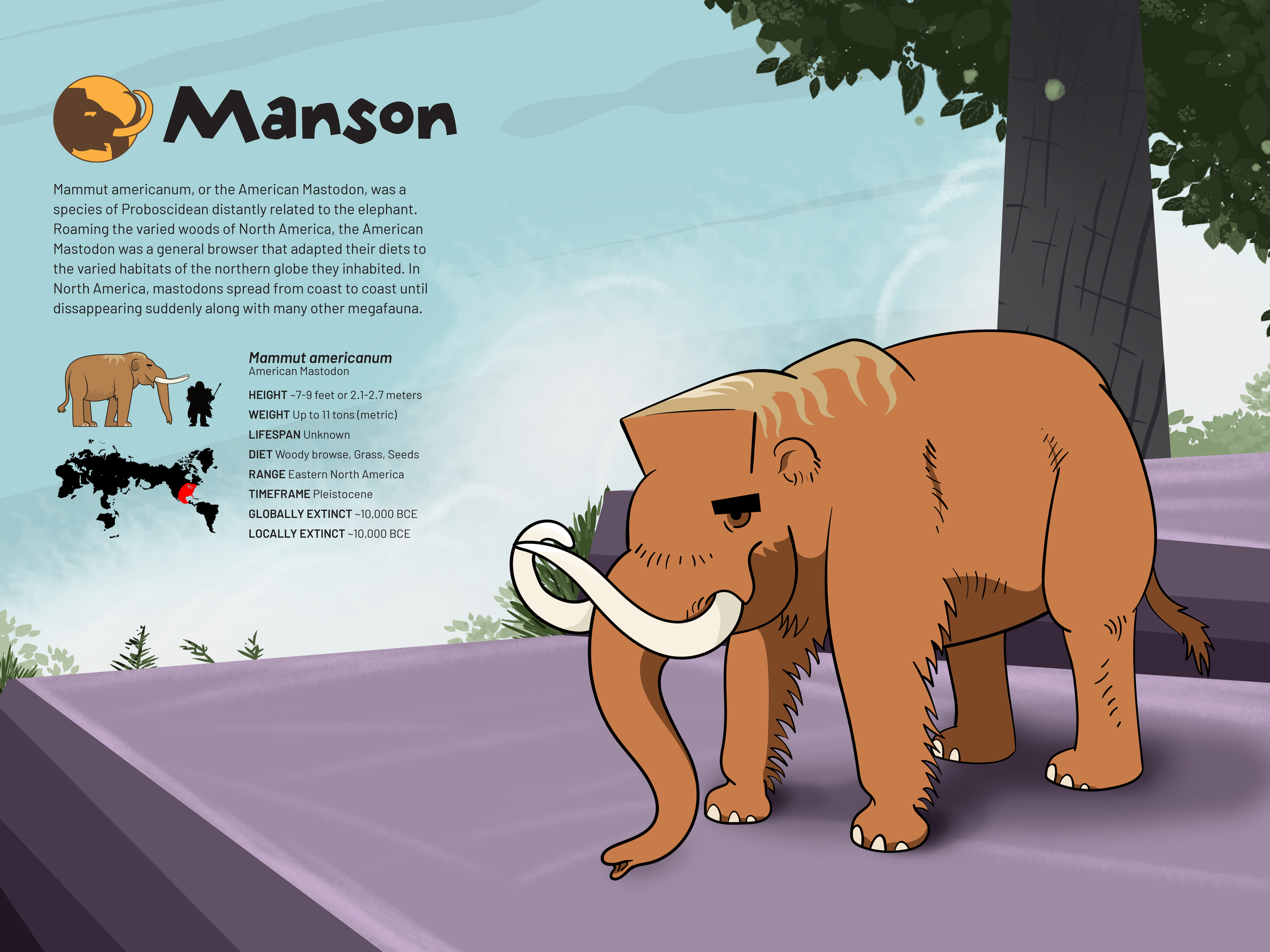
February 18, 2020
Manson Mastodon
“Manson” the mastodon was one of the first “callout” characters meant to highlight a lineage of elephants that would go extinct near the end of the pleistocene. Mastodon, being native to my hometown in southern New Jersey, were poised to be the mascots of the gallery.
Chronology through iconography
The mastodon would follow the guests throughout the gallery, creating a narrative element with which content would associate. From green youth representing spring, evolution and growth to a muddy brown of death and perilous future.

A mastodon begins its life, tusks emerging from buds as it ages. Born at the end of an era, life is playful, comforting and green for now.
Growing in size and mind, the mastodon has seen tragedy, felt the gaze of hunters and struggled, but still bears the brightness of youth.

The mastodon has survived, endured, matured. The trials of years have forged the largest animal in its ecosystem.

It should be colder this time of year. There should be more of them. Many have become strangers, fragmented in the changing world.

Ten thousand years pass in the blink of an eye. Only those who stumble onto them can comprehend that the world is not as it was.
Hunting for reference
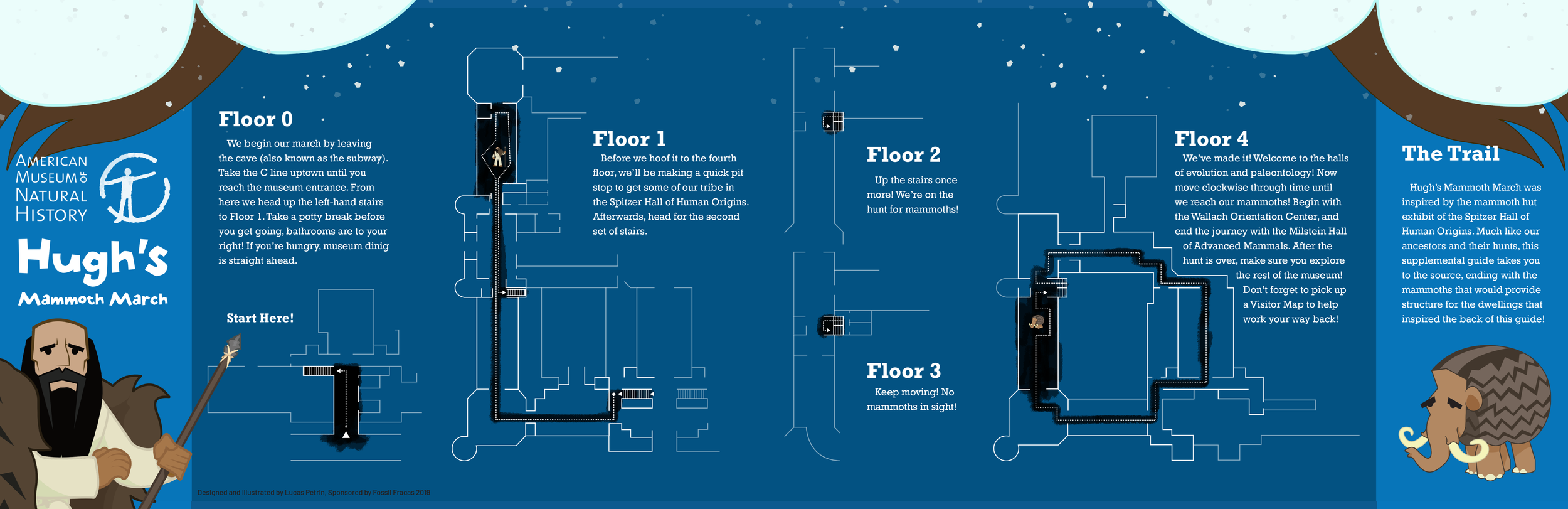
To prepare my gallery, I sought out examples of real educational installations. The AMNH, my favorite museum of the time, proved crucial to this research, and sparked the “Mammoth March” which is my preferred path to the Pleistocene elephant exhibits.
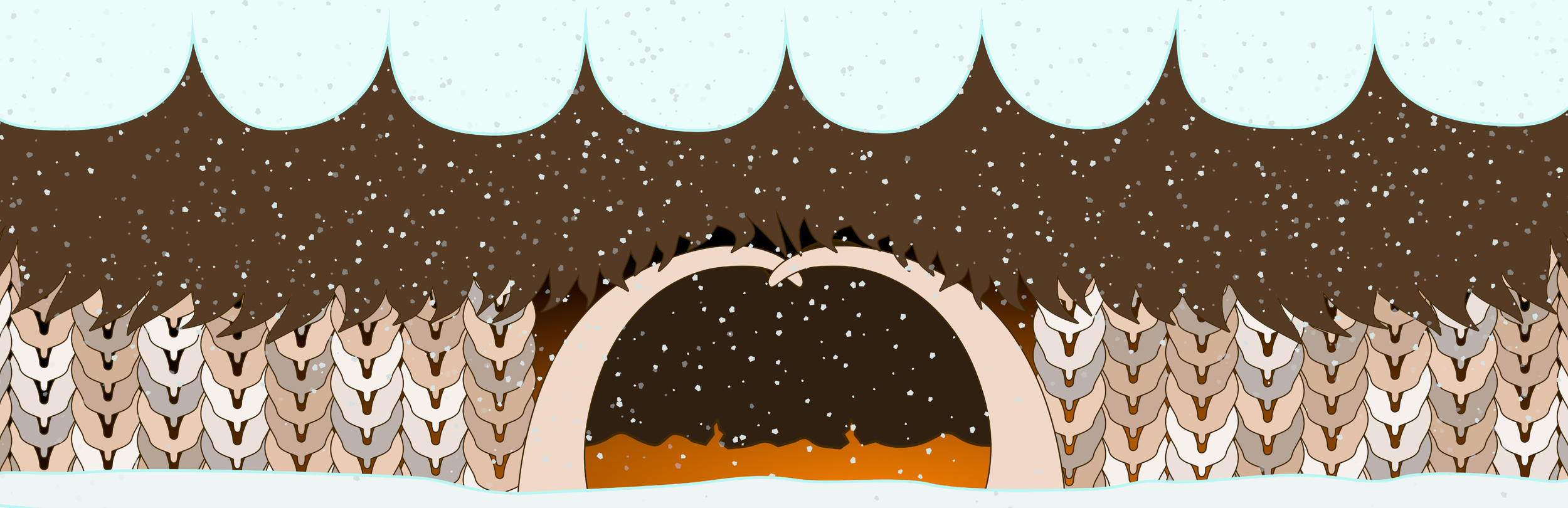
This map is a bit outdated, but includes graphics showing the constructed huts of tens to hundreds of mammoth jaws and tusks.
Editorial elephants
As part of my thesis, I designed a short article using assets I had created on the topic of my local walnuts and their potential relationship with American elephant species. This would have been distributed during the show.
![[Publications][Editorial][EastCoastElephants]_2.jpg](https://images.squarespace-cdn.com/content/v1/63e7e344f17803797168d778/6d58272a-080f-4507-943e-e9d8b4ba042e/%5BPublications%5D%5BEditorial%5D%5BEastCoastElephants%5D_2.jpg)
![[Publications][Editorial][EastCoastElephants]_3.jpg](https://images.squarespace-cdn.com/content/v1/63e7e344f17803797168d778/743238b3-f50f-4100-b267-fef95e4c4e16/%5BPublications%5D%5BEditorial%5D%5BEastCoastElephants%5D_3.jpg)
![[Publications][Editorial][EastCoastElephants]_4.jpg](https://images.squarespace-cdn.com/content/v1/63e7e344f17803797168d778/e488a0dc-2f53-43bb-bff5-dbe93c04a884/%5BPublications%5D%5BEditorial%5D%5BEastCoastElephants%5D_4.jpg)
Facing real challenges
You simply can’t make a comprehensive exhibit without leaving the audience with a message. At the end of Truncated, visitors would have been warned of the peril of elephant-kind, with the last three species on Earth represented by haunting figures and heavily reddened artwork.
Beads - 2019
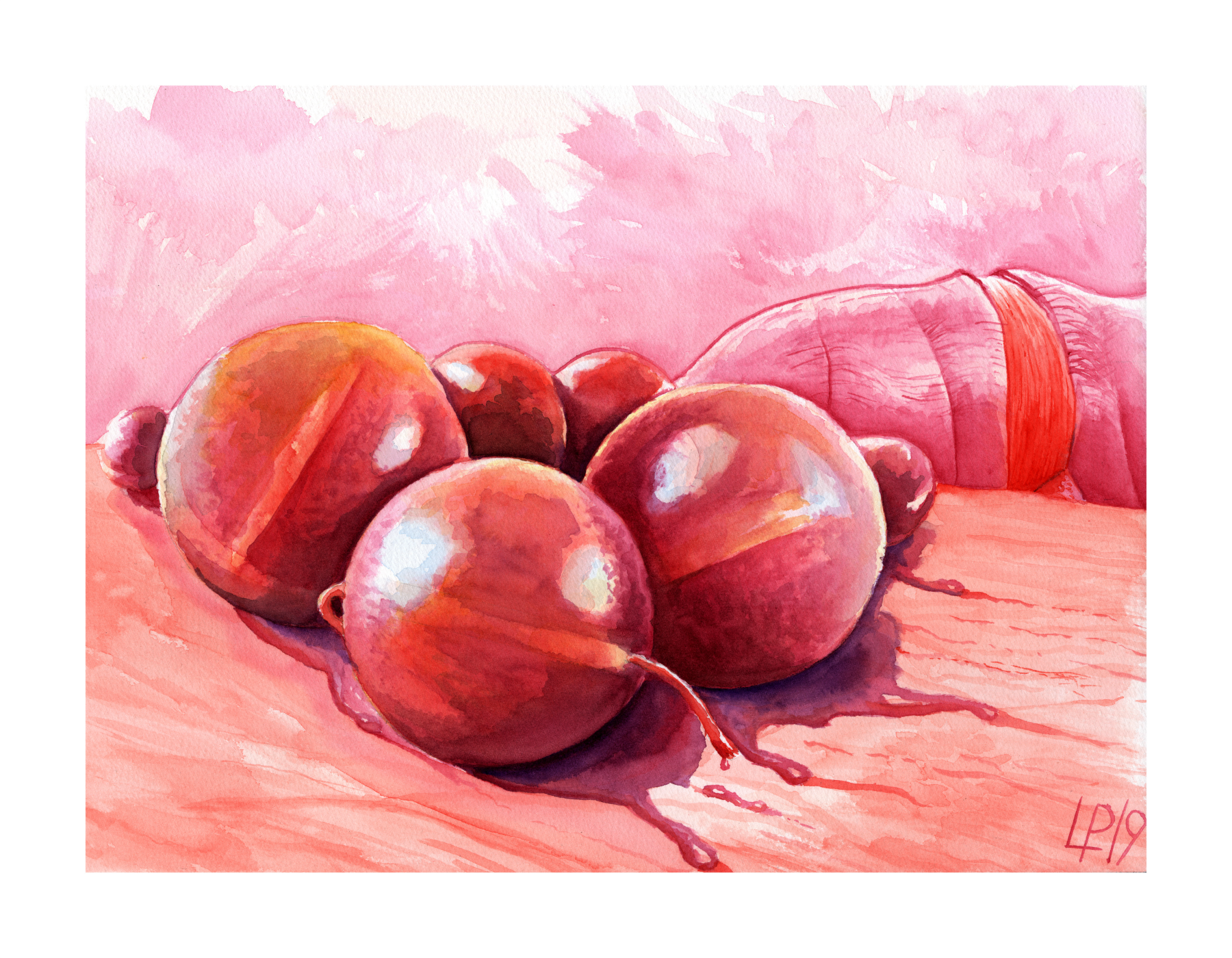
This watercolor painting of spheres is deceptive. The result of poaching, elephant-fat beads were discovered to be dyed and traded as “healing items” and traditional medicine.
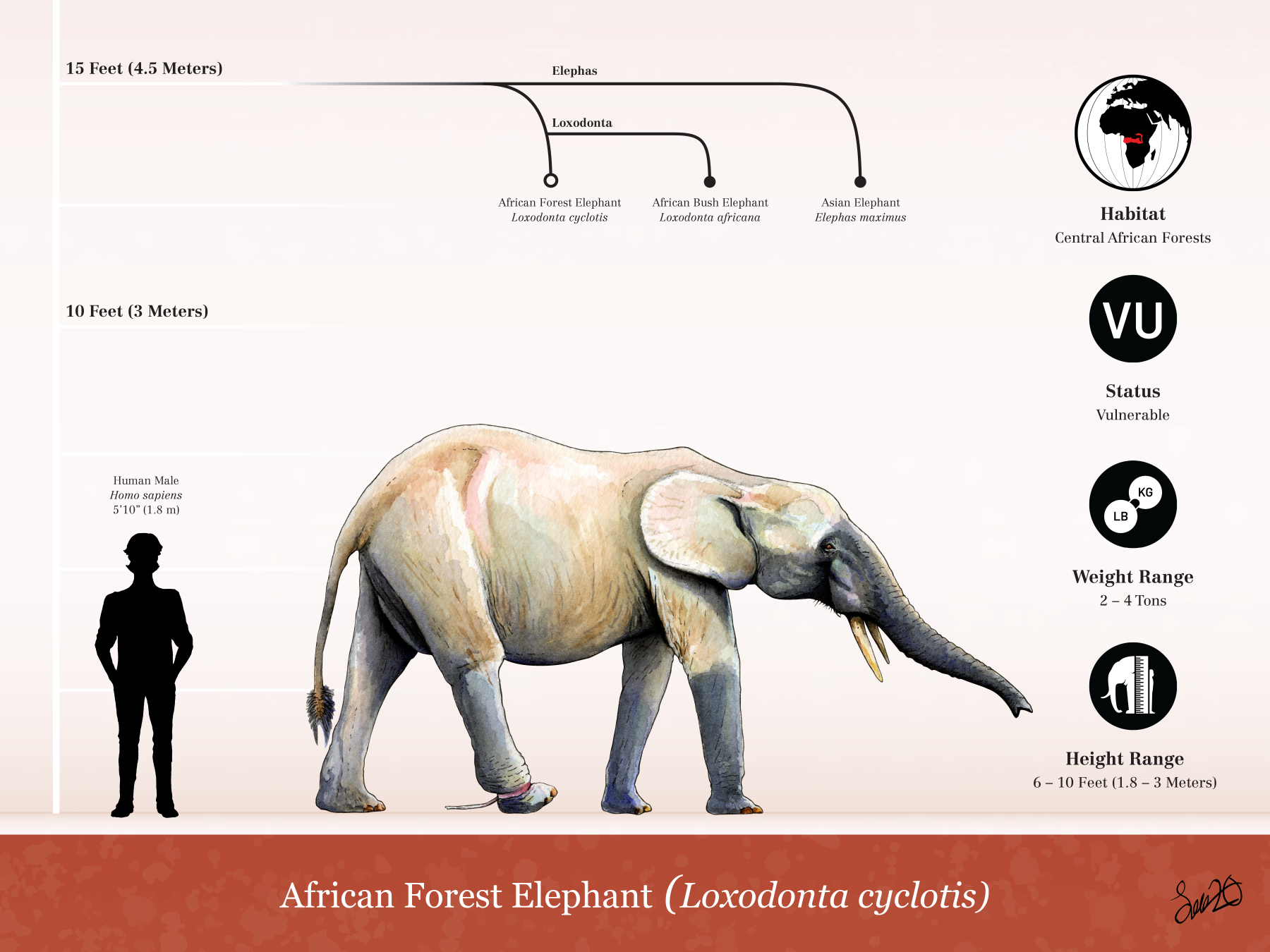
The African forest elephant: the least studied of the three remaining elephants.
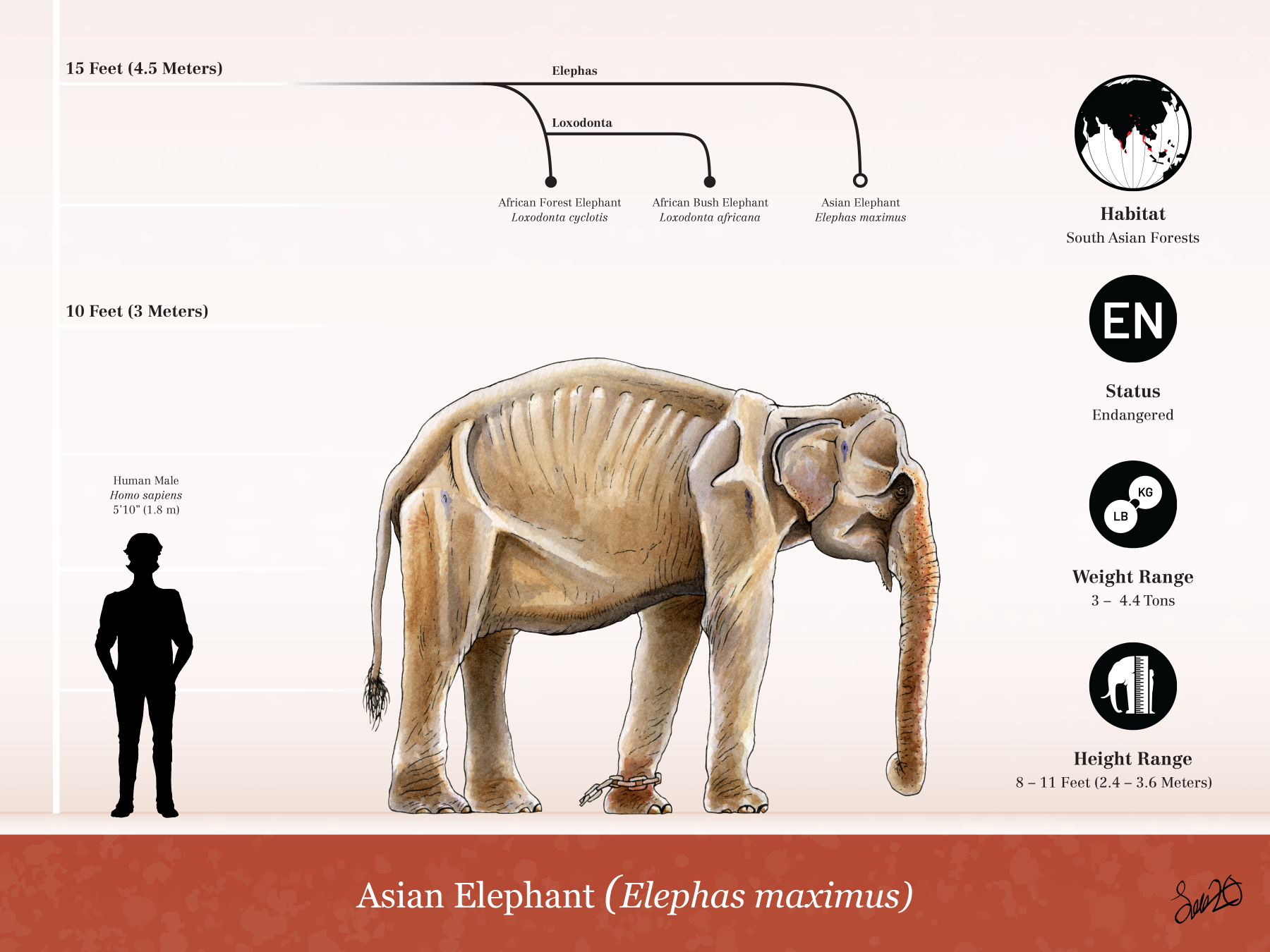
The Asian elephant: the most exploited of the three remaining elephants.
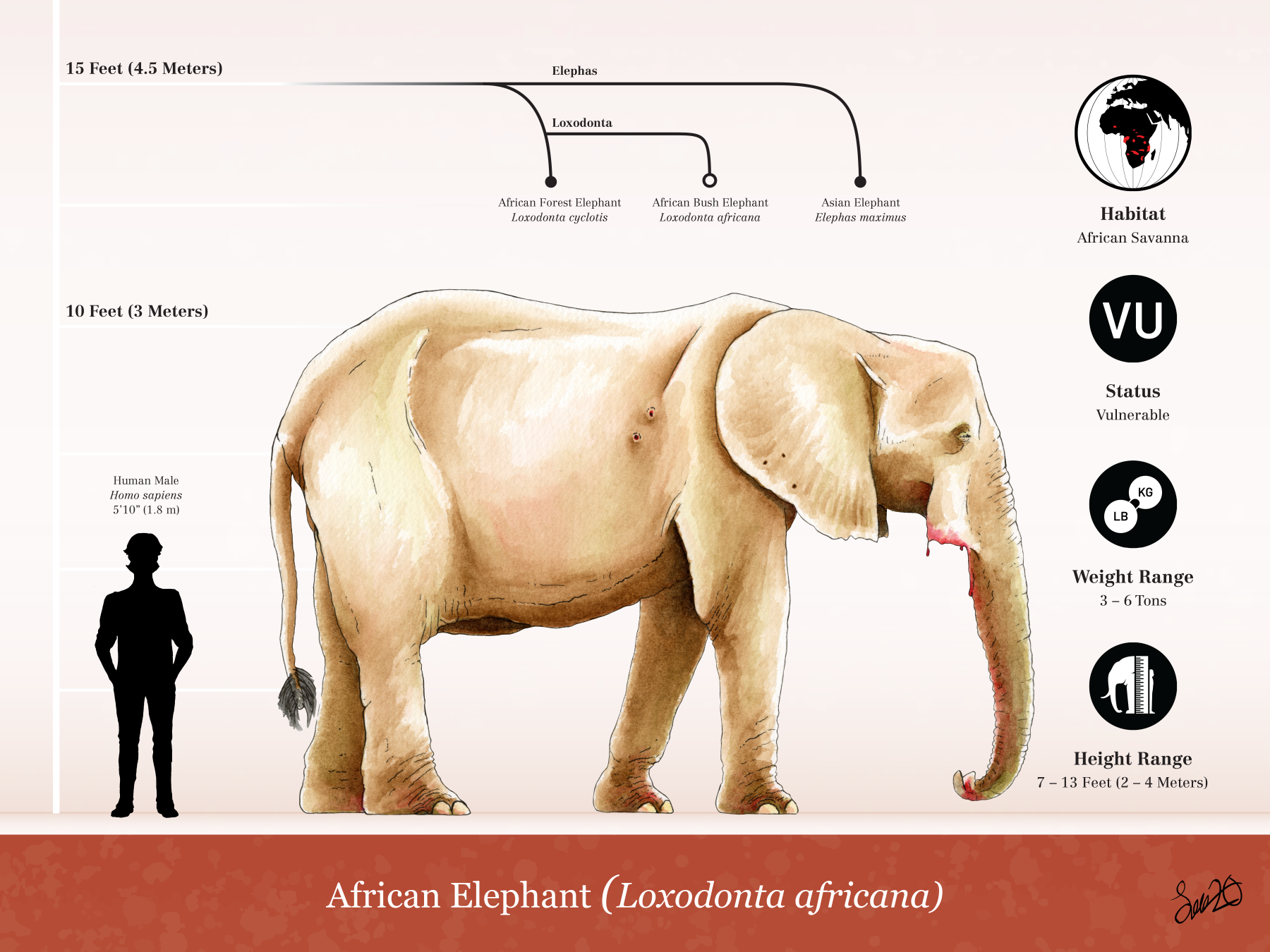
The African bush elephant: the most numerous of the three remaining elephants.